|
|
|
Interview with
Remembering the 20th Century: An Oral History of Monmouth County
Date of Interview: February
23, 2000 Ms. Higgins: Well, welcome! We are most pleased that you came today to be a part of this oral history, Mina and Russ. Ms. Pomphrey: Thank you.
Mr. Treiber: Thank you. Ms. Higgins: New Bedford, a part of Wall Township, is where you spent most of your childhood. What early memories do you have about going to school, for example? Mr. Treiber: New Bedford was one of six school districts in Wall Township, as I recall. It was a two-room school, with I think perhaps a maximum of forty students. We had first through the sixth grade, and then the other two grades were in the second room. Ms. Higgins: And who organized all this? Mr. Treiber: We had two teachers. We had a principal and a teacher. The principal taught the higher grades. Ms. Higgins: How high did the school go? Mr. Treiber: Through the eighth grade. But there wasn't a kindergarten, just first through eighth grade. Ms. Higgins: All in two rooms? Mr. Treiber: Yes. I don't recall any kindergarten at our school at all. Ms. Higgins: Actually kindergartens came and went in New Jersey, as I recall. Mr. Treiber: It could be. Ms. Pomphrey: We didn't have kindergarten in those days. You went right into first grade. Ms. Higgins: Was there preschool? Ms. Pomphrey: No. Mr. Treiber: I was six years old before we entered the first grade. And there was no kindergarten; I know there wasn't. Ms. Pomphrey: And there was no preschool. Mr. Treiber: Our teacher, the one I recall, was Miss Osborne. She was a very beautiful lady, and all the boys were in love with her. When her boyfriend came to pick her up when school was over, we used to hiss at him and holler at him. And she was so embarrassed! (Laughter) Ms. Higgins: Was that a local person, Miss Osborne? Mr. Treiber: I don't recall where she lived. She came in a car and left in a car, which incidentally was very scarce in those days. Ms. Higgins: Yes, if you were six that was in the 30s. Mr. Treiber: Yes, it was back in like 1929 or 1930. But she was a great teacher, and I still recall her name. I guess that has some bearing on it. Ms. Higgins: What kind of subjects did you have? Mr. Treiber: Just the Three Rs, as I recall. Ms. Pomphrey: They called it Arithmetic in those days, not Math. Mr. Treiber: Reading, Writing and Arithmetic. That's all they had. Ms. Pomphrey: Right! Reading, Writing and Arithmetic. Ms. Higgins: So you went to the school, too, right behind Russell? Ms. Pomphrey: Yes. Mr. Treiber: Yes, she was two years behind me. Ms. Pomphrey: Yes, we all did. There were five of us in the family. Ms. Higgins: Were your people farmers? How did your people get to Wall Township? Mr. Treiber: My father's family moved to Belmar, and opened a double house with a double bungalow in the back. They rented that out in the summer time. That was their income. My father met my mother there, and they moved up to New Bedford, and built a home in an old gravel pit there. It was a little one-room bungalow, actually. Ms. Higgins: I am surprised there were so many school districts. Wall Township must have been very large, even then. Mr. Treiber: I am not sure they were districts rather than neighborhoods, do you know what I mean? I don't know what the terminology was. We had one school superintendent, and he used to ride a bicycle. Ms. Pomphrey: Well, it was quite a large place, a large township. Ms. Higgins: Do you remember the superintendent's name? Mr. Treiber: Yes, it was George Vanoot. The first week of school he would come on his bicycle with a basket, and he would have a soccer ball and something else in it. And that was the limit of our athletic equipment for recess. I always remembered him because he rode from school to school on his bicycle. Ms. Higgins: With his ball. Mr. Treiber: Well, he had one ball for each school, but he would come to the New Bedford school with a soccer ball. Ms. Pomphrey: And then he would leave and go to another school, and teach what they call Physical Education today. Ms. Higgins: Were the girls and boys together? Ms. Pomphrey: Oh, yes. Mr. Treiber: We had recess twice a day, once in the morning and once in the afternoon. And, like I said, they would grab the soccer ball and throw it out, and whatever you did with it was up to you. They didn't come out there with you. Ms. Pomphrey: There was no teaching. Mr. Treiber: No, there was no supervision of recess, other than to make sure no one punched someone else, or something like that. Ms. Pomphrey: There was supervision just on the playground. Mr. Treiber: The one thing I have to mention is that when recess was on, the first thing that happened was the long line that formed for the bathroom, which was in the back yard. The boys and girls would use the outhouses. Ms. Higgins: Oh, was that on your recess time? Mr. Treiber: Yes, we had to go during our recess time. It was very embarrassing! You had the finger method, you know. You held up one finger for one type of deed, and two fingers for another type of deed. And the teacher would either nod her head or shake her head. But anyhow, it was interesting. But that was the first part of recess: the first fifteen minutes was spent lined up at the outhouse in the back yard. Ms. Higgins: Because I was thinking that two recesses, that was pretty nice. But I didn't realize the bathroom break was built into that as well. Mr. Treiber: Well they were like thirty-minute recesses; they weren't very long. Ms. Higgins: What was the school day? Mr. Treiber: Probably 9:00 a.m. to 2:30 or 3:00 p.m. I don't know for sure. Ms. Higgins: And did you go about the same as we do now, Labor Day to the late spring? Mr. Treiber: Yes, we had the same seasons. Ms. Pomphrey: I think it was 180 days. I think it has always been that, and it still is. Mr. Treiber: That is a requirement by law, isn't it? Ms. Pomphrey: Yes. Mr. Treiber: We never had a backstop for baseball, and there was never any field marked out. As a matter of fact, the field we used was owned by the fellow that owned the LeDeauville Inn, in Wall Township. Ms. Higgins: What Inn? Mr. Treiber: The LeDeauville Inn, it was called. It is where the high school is now. Mr. Duvak owned that, and he used to lend us one of his fields for the athletic field. Mr. Treiber: Did all you children get along pretty well? Ms. Pomphrey: Oh, yes. Mr. Treiber: Yes. Ms. Higgins: Well, you had to organize your own play. Ms. Pomphrey: We're still friendly with whoever is left there. We'll go down and see them, and Russell attends church with Shirley Spade. Yes, we were very friendly with them. And we still have good friends from that time. Mr. Treiber: An interesting part is that all of us boys from six to fifteen years old, and as a matter of fact, we had a couple of them that were nineteen years old in the eighth grade, we all had trap lines. We set traps for fur bearing animals, and that was one of the big things. We would come to school with a burlap bag with maybe a skunk in it, and we would throw it out by the steps. And when school was over, we'd pick up the bag and go home to skin the skunk. But everybody had a bag with a muskrat, skunk or a rabbit or something in it! (Laughter) Ms. Higgins: What did you do with the skins, Russ? Mr. Treiber: We skinned the animals out, and stretched and dried them. Then we had to walk two and a half miles up the road to Bailey's Corner and sell them to Mr. Matthews, who had a fur business up there. He would buy it, and we used to get a quarter for a muskrat! Isn't that something? Ms. Higgins: Yes. That was a lot of money then, wasn't it? Ms. Pomphrey: Yes, it was. Mr. Treiber: Skunks were worth fifteen cents. Ms. Higgins: Weren't the skunks a little problematical? Mr. Treiber: Well, we knew how to handle them. The only problem we had was when we got them in the trap, we had to kill them without getting wet. (laughter) And that was a problem. Ms. Higgins: Because you were on your way to school. Ms. Pomphrey: Yes, right. Mr. Treiber: I just want to relate that the person who has fed the rumor that if you get the skunk's feet off the ground in the back he can't wet on you, was wrong. So we all occasionally smelled like skunks, but we didn't mind. Everybody else did, too. Ms. Higgins: I have a vision that this activity of skinning small animals for their hides was a very Western thing, but apparently it was in New Jersey, too. Mr. Treiber: It was local, sure. Almost every boy did it. That was your Christmas present. I remember when I got six muskrat traps for Christmas, and that was a big deal to us. We went and had them set in all the local brooks and streams, and we were pretty much experts, you know, on where a muskrat was and where he wasn't. Ms. Higgins: What did they do with them...make hats and boots? Mr. Treiber: Whatever! Coats or hats, they were shipped somewhere. Probably to New York. We didn't get into the high economics, we just went for our quarter. Ms. Higgins: What did you do with the insides of the animal? Did you eat them? Mr. Treiber: Just buried them. We had a black man that lived next to us, and he would eat muskrat. And we would eat it if he cooked it, but my mother wouldn't cook it.
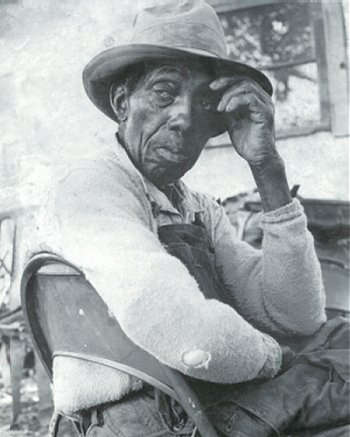
Ms. Higgins: What was his name? Mr. Treiber: Jesse Johnson. At that time, he was known as a colored man. Ms. Pomphrey: He was a very, very nice person. Mr. Treiber: He was the greatest guy I ever met. Ms. Higgins: Did he have kids? Mr. Treiber: No, he was single when he first moved in. Then he brought a bride up from Virginia. And that was her name, Virginia, as a matter of fact. Ms. Higgins: Were they farmers? Mr. Treiber: He worked for the Justice of Peace, who lived right behind us in Wall Township. The Justice of Peace's name was Neil Auger, which is a famous name around here. Ms. Pomphrey: It is still a well-respected name in Wall Township. Ms. Higgins: Bailey's Corner, is that where the Municipal Building is now? Mr. Treiber: Yeah, it is on that road. Right. That road used to run all the way across from Dundola to Village Corner. Ms. Higgins: So you made all these quarters. What did you do with the quarters? Mr. Treiber: We ran as fast as we could to the candy store. (Laughter) Ms. Pomphrey: We had one right on the corner by us. Mr. Treiber: You know for a nickel you could come out of there with a whole bag full of green leaves, or root beer barrels, and I'm not going to tell you the name of the other little licorice candy we got. I don't want to get sued! But anyhow, that was the reason for the money raising. Nobody ever told us to give Mom fifteen cents or anything like that. Ms. Higgins: Was that primarily how you made money as a child, with the trapping? Mr. Treiber: There was no allowance that I recall in those days. Ms. Higgins: What did you do for money, Mina? Ms. Pomphrey: I don't know. My brothers shared with me when they bought candy, but I don't have the memory my brother does of all this. Mr. Treiber: Is it selective? Ms. Pomphrey: I do remember the Monmouth County Library truck coming, and we could go in there. It was like a small bus. Ms. Higgins: I can show you pictures of that! It was our bookmobile! Ms. Pomphrey: Right. Mr. Treiber: That's right. Ms. Pomphrey: Was it maybe twice a month or twice a year? Mr. Treiber: Oh, it was a couple times a year. Ms. Pomphrey: Yes, it would arrive and we were enthralled to have access to that many books at once because they didn't have any books in our school, like you can go to the school library now and pick out a book. You couldn't do that in those days. Ms. Higgins: I can't imagine a time when you just didn't have access to all the books you ever wanted, although I must have lived through that time as well. Mina, do you remember what you would like to read? Ms. Pomphrey: Just child books. I wasn't ever too into science. Russ probably would have liked the science books, and my other brother would have, also. And I read all the little girl books, and I am trying to think of their names. Mr. Treiber: There was a series of books called The Big Little Books. The appearance was a little square, but they were really thick. They were the popular ones. Ms. Pomphrey: There is a name for the books that I liked, and I forget what it was. Ms. Higgins: Was it Little House in the Prairie? Ms. Pomphrey: One of those, yes. And there was another series of books. Mr. Treiber: Dick and Jane! Ms. Pomphrey: Well, that was in first grade, Russ. Ms. Higgins: Oh, did you read Little Women? Ms. Pomphrey: That's what I am trying to think of, Little Women. They were interesting. But then I left there when I was eleven years old. One of my memories is not about school. Up past our house was this huge mansion, and wealthy people lived there. And their name was Buxbomb. But it now has become a convent, right Russ? Mr. Treiber: Yes. Ms. Pomphrey: It is used as a convent by the nuns. But they used to have an orchard, and we would go up there. I have never found it yet, but they had an apple that if you picked it, it would taste like bananas. It was delicious. But it would taste like a banana. Mr. Treiber: They were called banana apples, right? Ms. Pomphrey: Yes. We used to go up there, and the people were very generous in letting us pick. I guess they knew we were there, I don't know. Mr. Treiber: They had apple trees in their front yard. Ms. Pomphrey: As long as you didn't go over on their main property. Ms. Higgins: Apple farming is big business in Monmouth County. Potatoes and apples. Ms. Pomphrey: Right. We used to walk up there and get up in a tree, and we would drop down in the creek to go swimming. Ms. Higgins: May I ask you what you wore? Ms. Pomphrey: A wool suit! Until I got it wet, I couldn't stand it. But that's what we wore. Mr. Treiber: And it used to be that you covered your knees, too. Ms. Pomphrey: Oh, yes, it was way down by your knees. And it was just plain wool. Ms. Higgins: What creek would that be? Mr. Treiber: That was Cherel Brook, the one that we used to swim in up there. Wall Wash Sand & Gravel Company was just starting up when we were little children. Ms. Higgins: Oh, ok. And did that company bring in a lot of people? Mr. Treiber: That was probably the biggest industry we had in that area. And then Mr. Dubak, who was an immigrant from Switzerland, came in and he bought what used to be the New Bedford Hotel. That was a stage stop, incidentally, that hotel. And he bought that, and he turned it into a really, really high-class restaurant. I am talking about limousines and Rolls-Royces, and all the big boys were there on weekends, with chauffeurs. Ms. Pomphrey: We used to go down and peek at them, when they came in their limousines. You know in those days, to see a big car roll up like that was a real luxury. Ms. Higgins: Do you remember that name of the restaurant? Mr. Treiber: LeDeauville. Ms. Higgins: Oh yes, I have seen that name around. Mr. Treiber: The place burned down, and then he moved to a mansion up in another part of Wall Township. You probably remember the one on Rumson Mill Road, up in the northwestern part of Wall Township. Ms. Higgins: Yes. Mr. Treiber: But this one was at Eighteen and New Bedford Road. That's where the high school is. Ms. Higgins: Were your parents born in New Jersey or Monmouth County? Mr. Treiber: Our parents were from Newark. Well, our father was born in Newark. Ms. Pomphrey: I am trying to think of the street where it was all Germans. Mr. Treiber: There was Hamburg Place, until World War I. Then they may have changed it to Clinton Avenue! (Laughter) Yeah, they didn't like the Germans! Ms. Pomphrey: You could do things in those days, couldn't you? You could change the name of the street because you didn't like something.
Mr. Treiber: Our mother is from Manasquan, and her family goes right back to the Indians on the Manasquan River. Actually I just got a picture of my grandmother from Manasquan, whom I have never seen. I got it through the Internet. I found a long-lost cousin on the Internet, and this is amazing, I am telling you. It was the first time I saw her. But it brought tears to me eyes, you know, because I had never seen her. Evidently she died before I was born. But there is more about that mansion that was built by Mr. Buxbomb. He was a Wall Street financier. He used to commute daily on the train to New York. They were very generous people. On Halloween, we would have to run real fast to make fourteen stops. So we would go up there. He had two large, great big Great Danes. He would put them in and tie them, because he knew we would come. And they would open the door, and we would go in. They would have cider and doughnuts, always. Ms. Pomphrey: I remember that. Mr. Treiber: Also Mr. Dubak, the man who owned the LeDeauville Inn, he would open that up and give us ice cream, cake, and a quarter. Do you remember he always gave you a quarter? Ms. Pomphrey: Yes. Mr. Treiber: And they were big thrills to us, you know. It was a big time. And Mr. Buxbomb would hold an annual horse show up there. He had stands to sit in, you know. Ms. Pomphrey: Yes, I remember those. Mr. Treiber: We children would go up and sit in the top row, and all these high, fancy rich people would come and say, "Get out of here, you little brats!" And Mr. Buxbomb would say, "That's their seat. Leave them alone!" And I'm getting emotional. Ms. Higgins: That's very nice. What kind of horse show? Was it like we have today? Mr. Treiber: Yes, the jumpers, and they would trot and pace. It was a New Jersey sponsored horse show. But he always was generous. Ms. Pomphrey: That was a big thing, a big outing for us. Ms. Higgins: What became of Mr. Buxbomb? Mr. Treiber: His family still lives in Spring Lake. Bobby is still around, and Bobby was his son. Of course he didn't go to our school, he went to a private school. But he was always friendly with those of us who were around. And they were very generous. Now one other thing is that at that period: Prohibition was a big boost for our Township. Ms. Higgins: I was going to ask you about Prohibition. Mr. Treiber: Everybody was in the speakeasy business or making beer. As a matter of fact, my uncle was a booze runner. Ms. Pomphrey: News to me. (Laughter) I'm learning a lot today! Mr. Treiber: Now I lived on 18th Avenue, which runs east and west. My brother and I were in the front yard one day, and we saw these three cars come by. And these guys were hanging out the windows with rifles and shotguns, and going real fast. So we thought there was something going on. So we got on our bikes, and we both tried to go and see. We went a little ways, and we heard a huge explosion. And we found out later that these were "G-Men" who had gone to raid a still on a dairy farm just up the street from us. That was Hall's Farm, and I don't know whether or not you want to use his name. Ms. Higgins: Yes, we do. Mr. Treiber: But the still blew out the whole side of the hill there, and one or two people were killed. That's why these men were there; the agents had come to raid that still. I can remember we went home and hid under our bed. We didn't want any part of that stuff. But that was an interesting period. And the Ku Klux Klan was very, very active in that area. Ms. Higgins: I have heard that. Tell us about it. Mr. Treiber: Well, there is a big hotel at Camp Edwards. That was relatively new when we were children. Well, the Ku Klux Klan used to meet there every summer. They had some kind of pow-wows, or whatever they called them. They would have fires out on the front there, and everybody was in that stupid little hood. And they were very active. As I told you previously, this Black man lived next door to us. And the Klan came one time to harass him, and my father went to his defense. And then I think it was a week or two later, we found my father all beat up down in the field. Ms. Higgins: No! Mr. Treiber: But we could never prove anything, you know. I'm not going to name the names of the Klan members, but they were local boys. Ms. Pomphrey: The hoboes is one of memories of years ago living up there. They would have a stick and a little thing, and they would come around just for anything to eat. But I heard this story from my little friend, who is 100 years old. She said that around Trenton at that time they would leave a little mark on your fence somewhere to tell the other hoboes to stop there, that those people would give you something to eat. Mr. Treiber: They didn't get much at our place, did they?
Ms. Pomphrey: No, because our parents had five children. But that has always been so interesting to me. If we were to tell our grandchildren that, they wouldn't believe it. They had a little stick and a little package of clothes, I guess. They really did come around in those days a lot. Ms. Higgins: Did they ever work for the money? Mr. Treiber: They would offer to, but not seriously. There wasn't any work! Ms. Pomphrey: I don't remember the Depression, but evidently that was part of it. I know Mama sent us to the store to get a loaf of bread, and we would want to go to the store because the one that went could have the heel or crust of the bread. And that was a big treat to get fresh bread, and you could have the heel if you went to the store! It was five cents a loaf. Ms. Higgins: How long did it take you to walk to the store? Ms. Pomphrey: That store was right on the corner. I would say it was about a block, wouldn't you, Russell? Mr. Treiber: Yes. It is still there, but it's a pizza place now. Ms. Pomphrey: It's still there, in fact. But I have walked to Belmar, to 13th Avenue where my grandmother had her home, and I would say that is a mile. Would you say that is about right, Russ? Mr. Treiber: Oh, are you kidding? It was about four miles. Ms. Pomphrey: I would go down for an onion if my mother needed it. I'd have to walk down that far, across the highway, to get an onion. Mr. Treiber: Kind of scary, wasn't it? Ms. Pomphrey: But there weren't a lot of cars then. We walked to church to Sunday School, and how far was that? I would say a mile, right Russ? I think about a mile. But we would walk to every Sunday School every Sunday Mr. Treiber: The church was full of children. Ms. Higgins: What church was it? Mr. Treiber: That little Wall United Methodist. Ms. Pomphrey: Russell is still a member. Mr. Treiber: I have been a member there since 1929. Ms. Higgins: Was it a new church when you started going? Mr. Treiber: No, it was built in 1854. Ms. Pomphrey: It has since then burnt down and been rebuilt. I don't know what year, though. Mr. Treiber: It was started as a Methodist Meeting in 1838. And in 1854 they built the church, which is on a hill, and the fishing boats could see the light. You know they used to have a night light on top of the church as a guide to the boats out there in the ocean. Believe it or not, you could see that light from the ocean. Now you can't. Ms. Higgins: Did that church have any connection with Ocean Grove? Wasn't that a Methodist Campground? Mr. Treiber: All Methodist churches were individuals. The Methodist Episcopal churches were all individual, self-supporting at that time. Then they conferenced up in 1944, or something like that. Ms. Higgins: When you went to Belmar, did you ever go bathing in the ocean? Mr. Treiber: Oh, please, again with the wool bathing suit! Ms. Pomphrey: You too, occasionally. Everyone did. They didn't have anything else. Mr. Treiber: I was so embarrassed to go down to that beach with my grandmother and my aunt, with their long stockings and woolen suits, and that bathing hat. And never once did they ever go in the water! I never saw them go in the water. Ms. Higgins: This was your mother's mother? Mr. Treiber: No, this was my father's mother. My mother's mother, I never met. My mother had eight brothers and one sister. And I am just now locating or finding out what happened to everyone. They are all gone except one aunt.
Ms. Pomphrey: Mother was a triplet, and she was the only survivor. Mr. Treiber: She was born at home, if you believe it or not. Ms. Pomphrey: I think I have said this before, but she knew sign language. And it's really coming back to us now, because my granddaughter Kelly is a sign language interpreter. So you wonder how that all comes back around. My dad was a carpenter, and now my son is in the home improvement business. So you just wonder if it does all come back again, you know. Mr. Treiber: Remember I told you we had a Justice of the Peace that lived behind us? Ms. Higgins: Yes. Mr. Treiber: The State Police used to police Wall Township then. There wasn't any local police force or anything. We had one constable: do you remember his name? Ms. Pomphrey: No I don't, Russ. My memory is not like it used to be. Mr. Treiber: But anyhow on a Saturday or Sunday, the constable or a State Trooper would bring a person that they caught violating the law to the Justice of the Peace's office. And that guy would have to pay right there. Three dollars went to the Justice of the Peace, one dollar went to the Township, and one dollar to the police officer. We used to stand there and watch that, you know. They think kids are dumb, but we knew what was going on. Ms. Higgins: I thought those kinds of things happened in other states. Mr. Treiber: The constable would hire my brother and me to pull weeds in his farm or garden, and he would give us ten cents an hour. He would look at the end of the day and if he found any weeds, he wouldn't pay us. He'd say we didn't do it properly. He was the nastiest guy! Ms. Pomphrey: One of my memories was of Daddy's garden. One of my chores was to go out with a can of kerosene and pick the bugs off the potatoes, and then I'd throw them in the kerosene. That was my job. Mr. Treiber: Yes, the potato bugs. Ms. Pomphrey: I probably missed many of the bugs. Ms. Higgins: It must have been some dinner hour with you reeking of kerosene and Russ of skunks! (Laughter) Ms. Pomphrey: But in those days, we made root beer. Ms. Higgins: How do you make root beer? Ms. Pomphrey: I don't remember, but we used to do it. Mr. Treiber: She used water, and they had a root beer syrup that you would buy in the store in a funny-shaped bottle. Ms. Pomphrey: And we used to put it under the house, I know, to keep it cold. Mr. Treiber: Yes, it ages. Aging is what gives it the flavor. Ms. Pomphrey: Right. And we used to have a taffy pull. Somehow, you know, you would pull the taffies. And then what they call "S'mores" now with the graham crackers. Mother's wasn't that fancy, but we did that. In those days you didn't go out and buy all that, you did it with your children. And they are our greatest memories, you know, of things we did. She took us swimming, and we had fun together. We played kick-the-can. Mr. Treiber: We made our own games. Ms. Pomphrey: Yes, we just had a lot of fun. And you played with your brothers and sisters, and of course we had a lot of children around there. There were families that were very close to us, so it was nice. So you didn't feel like you had to be taken somewhere. As I say, we walked to Sunday School. You weren't driven like you are today. If your child today wants to go a block away, they are taken there. Not us. But I think it made better people out of us. Mr. Treiber: This Sand and Gravel Company moved in there when we were very small. They brought a dredge in, and within months, this huge lake was forming. They were pumping the sand and washing the gravel, and separating the sand and gravel. It became a huge lake, and that's where we swam when we were children. Ms. Pomphrey: Yes.
Mr. Treiber: My mom was a Gertrude Ederly and Florence Chadwick fan, you know. This was the age for the channel swim by the women. And my mom would go in the Shark River, wade in where Belmar is, and then swim out the channel and come back again. You see that was the big sports thing for women in her age group. Ms. Pomphrey: She was a great swimmer. Ms. Higgins: How about skating: did you skate on that lake? Mr. Treiber: Oh, we went skating on Dubak's pond, didn't we? We had a bonfire. Ms. Pomphrey: Yes, that was right across from the big restaurant. He would let you go on his property...he knew us. Mr. Treiber: Mr. Dubak was such a kind man. He was the owner of the LeDeauville Inn. Ms. Pomphrey: Children weren't as destructive then. But you respected property, and people respected you in return for that. And we were allowed to go up to that big mansion and get some apples, or we were allowed to go on his property and skate. Mr. Treiber: But we didn't bother anything when we were children. Ms. Pomphrey: As long as we behaved, we were allowed to go anywhere in the neighborhood. Mr. Treiber: You know what they would do in Mr. Dubak's pond? He used to get the train every morning to go to New York. If it snowed, the County didn't have the equipment to plow snow, so he would hire a group of men to come up there with a horse and wooden plow to dig him out so he could get down to the train station. They would come by our house with snow flying all over the place. And he always made it. But he paid for that himself; the township didn't pay for it. That's a lot of memories. But this Wall Wash was our favorite. Ms. Pomphrey: Oh, yes. Ms. Higgins: The what? Mr. Treiber: We called The Wall Wash Sand & Gravel Company the Wall Wash. That was our swimming place. Ms. Higgins: Oh, ok. Ms. Pomphrey: That was our swimming place, our private pool. Actually many families went there, it wasn't just us. We had one or two horses that fell in there and drowned. They would back up and dump the sand, and then the wagon would pull the horses in. That happened a couple of times. That's how deep it was. So you had to be careful. You had to have someone like your mother with you. Mr. Treiber: There was a lot of quicksand then. Ms. Pomphrey: Yes. And to this day I am afraid to go under water because my older brother had a girlfriend, and I must have said something she didn't like. And she held my head under the water. Every time I would come up, she would sit on my head! So I am scared to go under water to this day. Ms. Higgins: Was that your girlfriend, Russ? Ms. Pomphrey: No, it was my older brother Hank's girlfriend. Mr. Treiber: Hank was a teenager then. Ms. Higgins: Do you remember when you stopped being so admiring of your teacher and fell in love with one of your classmates? Mr. Treiber: That was a long time later. You always had little crushes in school. If we were bad, Miss Osborne's punishment for a boy was to make him sit with a girl. (Laughter) And she invariably put me with Isabelle Kemper, whom I loved. So I would be bad just so she would sit me next to Isabelle! (Laughter) And oh, I thought she was the greatest. But you know, we were seven or eight years old. But there were romances in the school with the older kids. Ms. Pomphrey: I remember at school we had a little Christmas party, and I am sure it was Hank that got stuck in the chimney. He was Santa Claus. Mr. Treiber: Yes, he got knocked out. Ms. Pomphrey: He got stuck in the chimney. And you know, I am a giggler anyway, so I was half giggling and half crying while he was stuck in there! Mr. Treiber: I'll explain how that happened. Between the two rooms was a door. And they put the fireplace at the door so he could come in from the other room out of the fireplace. He had a pack on his back, you know, for the little kids. We had these two big, heavy candlesticks that somebody had brought in to use. And he hit this cardboard fireplace, and one of them came down and hit him on the head. And he was out cold on the floor. And all the kids were hollering and screaming. (Laughter) Ms. Pomphrey: This was a two-room schoolhouse, and we were trying to have a Christmas party. Mr. Treiber: Oh, I remember that. I remember I played Tiny Tim in the school play. They used to do that once a year. Ms. Pomphrey: Whenever I played any part, I was always the Ghost of the Past in black. Mr. Treiber: The Christmas Carol was the only one they ever did. Ms. Pomphrey: I did that probably there, and then I did it in high school. And I also did it in our church. I always dressed in black. Mr. Treiber: I remember Mr. Vanoot, at the beginning of the school year, he brought in a thing you put slides in that I think they called a stereoscope or something. Is that what they call it? Ms. Higgins: And it's dimensional? Mr. Treiber: Yes, we were so thrilled. We had to put our names down on a piece of paper, and they held extra hours after school for kids to look through that. Ms. Higgins: They are still fascinating to me. Ms. Pomphrey: They are. Ms. Higgins: It's amazing the way they can do that. Ms. Pomphrey: Really the children are missing so much. I don't like to keep going back to that, but they are. Mr. Treiber: I think they are missing the old method of teaching in individual and neighborhood schools. It is far superior to what they have now, I think. Ms. Pomphrey: Yes, not only that, but just the comradeship and fellowship you built through the years with people. Mr. Treiber: Because you weren't dealing with 500 or 1,000 students. We had probably forty. Alice Spade was one of three who graduated from the eighth grade in New Bedford one year. After the War started, there were only three kids that graduated. Ms. Higgins: Why, where were the others? Mr. Treiber: Oh, in the service or gone. You know kids quit when they were sixteen and they could go to work. We had several students who were eighteen or nineteen years old in there that they just couldn't move. One kid said he stayed in the seventh grade for years. When I asked him why, he said because his father was in the eighth grade! (Laughter) Ms. Pomphrey: What is that building now, Russ? Is it like the Municipal Building? Mr. Treiber: It's their Board of Education building. Have you ever been through there? Mr. Treiber: Then behind that was the old school before this one was used. Ms. Pomphrey: And one of our very good friends next door, who owned a home and a printing business, had life rights to that house. She passed away last year, so now the township took over all that property. Mr. Treiber: He was a janitor, and he lived right next door. I don't know whether I mentioned this, but all of us young boys got our sex education out of National Geographic. Looking at the African pictures, you know! You've probably heard that before, but it is true. Somebody would whisper, "Look at that..." It was so funny! Miss Osborne was very considerate of the children and protective of our innocence in the first through the sixth grade. One day we looked in the yard next door to the school, and there were a couple of dogs that had been enjoying one another. And they were stuck together. So she went around and pulled the shades down so we couldn't see it, but we had already noticed it. We were used to that, you know, because we were farm kids. But she was protecting our innocence. She was a very young woman, and I think it was called Normal School that she graduated from. It was a teacher's school, but I think they called it Normal School. But anyhow, she was a great teacher. I don't think you needed a Masters Degree or anything like that in those days. They were always women, but the principal was always a man! Mr. Trowbridge was my mentor, I guess. He was a short, stocky, little football player. Ms. Pomphrey: I remember the name, yes. Ms. Higgins: And he was the Superintendent or the Principal? Mr. Treiber: He was the Principal of the school. Ms. Higgins: Did you ever get sent to him? Mr. Treiber: Only when I got out of the sixth grade and went into the seventh. He was a very, very mild man. I met Mr. Miller, the principal, one year. And I'll tell you how I met him. They planted a row of little cedar trees along the side of the school driveway, and they were great for vaulting over. You would just run and hop over. But one day I landed in the middle of one. And he came out and beat me with a geography book, and he had me by the hair. (Laughter) Evidently he had paid for putting the trees in. Ms. Higgins: Oh, and you broke one! Mr. Treiber: But he beat me, you know! I didn't dare tell my father though, because I know what I would have gotten. I would have gotten another one. Ms. Pomphrey: Yes, Daddy wouldn't have gone to him and told him he shouldn't have done that. Mr. Treiber: And you know what I remember very clearly? It was a gray geography book with a picture of Columbus on the front of it. I bet they have still have those books in the library. Ms. Higgins: Did you go on to high school? Mr. Treiber: We were moved. Mina and I were moved out of there to Marlboro, and we went into a foster home. And I went to Freehold High School and then Leonardo. Ms. Higgins: Did you know a John O'Brien in Leonardo High School? He was about your age, and he went there. Mr. Treiber: No, not unless he played football. I remember Truex, who was the greatest coach that ever lived. Ms. Higgins: What did he coach? Mr. Treiber: Everything. He coached everything. If you went out to play football with Ernie Truex, you played football whether you were good or bad. He put you in that game even if you didn't remember which way to run. He thought if you came out to play, you were going to play. Ms. Pomphrey: That's great. Mr. Treiber: That's what they are supposed to do. Ms. Pomphrey: That's right. Mr. Treiber: You can't just have stars, you know. I remember the first play of the first game with Atlantic Highlands. I was playing right tackle, and we did a play and I got flattened right out. The cheerleaders all ran out on the field, picked me up, dragged me in, and put me on their lap. (Laughter) And I didn't want to get better. Ms. Higgins: Boy, your brother got knocked out as Santa Claus, and you got knocked out playing football. Mr. Treiber: Going back to the schools, there was great animosity between the schools. They were all different little schools in the township. If some kid from Glendola walked into the New Bedford territory, it was trouble. We had little scrimmages in baseball, like four people on a team. We never could get a full team. The farthest I ever went when I played soccer for New Bedford was over at Oakhurst, and we thought we would never get there and back. Ms. Higgins: How did you go? Mr. Treiber: A couple of parents took their cars and took us over. There were no vehicles available from the School Board, of course. We went over there, and we won. We beat Oakhurst. We all had these farm boots on and a pair of overalls, no uniform! (Laughter) As a matter of fact, I don't know if we even had a soccer ball. Ms. Higgins: While Mina was picking potato bugs, what were your chores? Mr. Treiber: We had all kinds of chores. I think I told you that my father built a house in an abandoned gravel pit. When my brother and I were bad, our job was to cart topsoil in a wagon from the field, which was a couple hundred feet down the road, up to the front of the house so we could make a lawn. Well it didn't take much for Pop to decide when we needed to haul twenty wheelbarrows of dirt! And when you are seven or eight years old, that wagon is heavy. Ms. Pomphrey: Dad was a disciplinarian. Mr. Treiber: We had chickens, and a pig, and we had chores we had to do. We had to clean out the chicken house, feed the chickens, make sure they had water, and kick the pig so he wouldn't bother us. Another thing that Hank and I had to do was to cart water from the neighbor's because we had no well. We had to take two buckets and go get the water. Ms. Higgins: Every day? Mr. Treiber: Yes, whenever you wanted water. Ms. Higgins: Every day for every water need? Mr. Treiber: For all the water needs we had. Of course there weren't any inside toilets. And my poor mom, since she did the wash, we had to light a fire in the back yard with a double boiler. We'd have to carry water from the brook to dump in that double boiler so she could wash. She would punch the clothes down in the water and sit there and shave a shell of soap to make soap.
Ms. Higgins: You didn't have to read Little House on the Prairie, it sounds like you were living it! Mr. Treiber: It wasn't unique to our family. Ms. Higgins: You aren't that old! Mr. Treiber: No, we were little guys, then. Ms. Higgins: There were a lot of changes after the War, I guess. Mr. Treiber: But you know the unique thing is, across the field from us was a family named Spade. They had a cow, and they gave us milk. They shared their milk with us. As a matter of fact, I had to jump a brook to go over there. And they used to give me milk in a milking bucket. One time I just didn't make it across the brook, and it spilled everywhere. You know that was the biggest loss in that area, a bucket of milk! Ms. Pomphrey: We used to walk to Cherel's for milk, too. We would buy it from him, but the Spade's would just give it to us. Mr. Treiber: Hank and I used to kill the chickens and pick them. Only on Sunday did you have those. And I always remember that Mom never bought two or three pounds of chop meat at once. We went down and got a quarter pound of chop meat and made sure we got a piece of suet with it. And they mixed that in with macaroni or noodles, and you didn't eat the meat solely as a meat item. You ate it in and amongst something else. We ate a lot of tomatoes, potatoes, and whatever we had in our half-acre garden. Ms. Higgins: Did you have chicken eggs? Mr. Treiber: We had a lot of eggs. That's probably where I got my cholesterol count. Ms. Higgins: Did you have a refrigerator? Mr. Treiber: No, we had a window box with a piece of ice in it. You hung a sign in your window. I don't know if you are familiar with that. They had signs in different colors, and that meant the size of the piece of ice you needed. The iceman could look from the street. Ms. Higgins: Really? Mr. Treiber: A ten-cent piece was a yellow card, a quarter piece was a red card, etc. It was a color coded thing for the iceman. Ms. Pomphrey: You really didn't have to go to the store a lot in those days. You had a bakery truck come around, and then the iceman. Especially in Belmar, where Grandma lived. They would come around almost every day. Your milk was delivered to your front door, and the vegetable truck would come around. The man would come ringing his bells, and you would go out and get what you needed. Every day you would get fresh things, you didn't have to go to the store as much and freeze things. I don't think they ever thought of freezing anything. Mr. Treiber: I don't even remember eating a hot dog when I was a kid. Ms. Pomphrey: No, we never had what they now consider "junk food." You just didn't have it. We had homemade jam and things like that. Ms. Higgins: Did you go to Long Branch pier? Was that around then, or maybe Asbury Park? Ms. Pomphrey: No. Those things weren't around then. Mr. Treiber: We went to Asbury at Christmas time, Mina, but you might have been too young to remember this. We used to get on a trolley at Belmar and go to Asbury. It cost you like a nickel or so. Ms. Higgins: I hear more and more about this trolley. They never should have let that trolley go! Mr. Treiber: It used to run all the way to Sea Girt! Ms. Higgins: And up to Campbell's Junction? Mr. Treiber: No, that was a different one. Ms. Higgins: Yes, but you could all connect. Mr. Treiber: Yes, because it went to Allenhurst, where the Jersey Central is now. That was the turnaround for that run. But anyhow, that was a big thrill at Christmas to go there because Newberry's and Woolworth's, the five-and-ten stores, were both in Asbury, Ms. Pomphrey: Dilwick? Mr. Treiber: No, the one between Asbury and Ocean Grove. Fletcher Lake, isn't it? Ms. Pomphrey: Yes, I think it is Fletcher Lake. After Daddy got a car, on Sunday we would go down and pick Grandma up. And we would go for a ride. I'm sure it wasn't far, but there would be people along the street selling hot peanuts. And that was big treat! Grandma would stop and get us a bag or peanuts. Were they peanuts, Russ, or chestnuts? Mr. Treiber: Chestnuts. Ms. Pomphrey: But they were hot, and it was a big treat to go for that little ride. He would find a hill. Mr. Treiber: He used to say, "We got an extra fifty cents this week, so we'll go for a ride this Sunday." Ms. Pomphrey: Right. And he'd find a hill to go down, and he would step on it real fast when we went over it. And that was a big thrill to us! (Laughter) We didn't have fast wheels and things. But we have great memories. Mr. Treiber: I thought of another big chore that my brother Hank and I had. We would bring down the wood. We didn't have any coal or anything else, just wood. And that was our job, to get wood. Ms. Higgins: This was your only source for heating and for cooking? Ms. Pomphrey: And for hot water, if you wanted it. Mr. Treiber: Yes, it was for everything. We had one stove...the kitchen stove is all we had. But the hardest chore, as I said, was getting the water. We had to go across the street, up the hill, pump the water out there, and then carry it home. And it would be slopping all over your legs in the cold weather. Ms. Higgins: Whose well was it?
Mr. Treiber: Our neighbor, Herman. Ms. Higgins: And there was no water problem, he just let you do that? Mr. Treiber: They shared with us. Ms. Pomphrey: We finally did get our own well. Mr. Treiber: But not in our time. Skippy and Buddy had one. Ms. Pomphrey: Yes, we had one by the time our younger brother and sister were around. Mr. Treiber: You know what a point is, I guess. It drives a pipe down with a point on the end of it, and that's what they used to hook the pump to. We would drive one of them down and within a month, it would all fill in with quicksand. And it would clog the point. Ms. Higgins: That's the sand and gravel kind of soil, sure! Mr. Treiber: Yeah, that's why they had Wall Wash, Sand & Gravel. Ms. Pomphrey: Years ago you did hear a lot about quicksand. But I don't hear about it now, do you? You would have to be careful where you walked because you could go down in the quicksand. Mr. Treiber: There's still some. Ms. Higgins: Maybe when you left Wall, you didn't hear about it as much. Ms. Pomphrey: Right, gave up some good country. (Laughter) Then they had sidewalks. Mr. Treiber: Another thing in Wall that a lot of people don't know is that we were very aware of the Indian artifacts when we were children. And all the farmers had cans or boxes full of arrowheads and axes. All across the ridge there, all the way from Manasquan up to Sand Hill in Neptune, it was all Indian country. They used to call that one area there Indian Field. And we knew that, and we were very aware of looking for axes and artifacts, etc. Ms. Pomphrey: What about the horses? I can remember horses riding around. Mr. Treiber: There is something. Early one spring we woke up, and we heard clippity-clop, clippity-clop. We looked out and saw 100-200 horses with soldiers on them going by the house. It was the 112th Field Artillery from Newark, and they were on their summer maneuvers out of Sea Girt. The 112th Field Artillery was an old National Guard outfit. Ms. Higgins: And you could actually see them? Mr. Treiber: Well, they went right by the house! Wall Township was used for maneuvers in those days. Ms. Pomphrey: Yes, that's what I remember. I remember them running through the field. Mr. Treiber: Oh, yes, and they were shooting at one other. Ms. Higgins: It must have been a little hard on the potatoes. Ms. Pomphrey: Well, that wasn't our field. They wouldn't dare smash my potatoes. Mr. Treiber: And there was another source of money. It was hot, you know, in July and August. And these guys would give us like twenty canteens and tell us to fill them up for them. Ms. Higgins: The soldiers? Mr. Treiber: Yes. Hank and I would go down to the brook and fill up their canteens. And they would give us maybe a quarter, and we had an arm full of canteens. And then we were allowed to pick up the blank cartridges, you know, when they were done shooting at each other. Ms. Pomphrey: I remember that. Mr. Treiber: We picked up those brass cartridges. Ms. Higgins: The casings were valuable, weren't they? Was there a market for that? Would sell the brass casings back to the Army? Mr. Treiber: No, we would sell them to the junkman. That was another thing. The junkman always came up the road with his bells ringing. And all of us kids were in the junk business. We would save rags, paper, metal, and all kinds of stuff. As a matter of fact, we used to dig it. That was one of our jobs to go in somebody's dump and dig up whatever we could salvage. Ms. Higgins: Like automatic recycling. You sold it back to the junkman, who obviously sold it to someone to do something with. Mr. Treiber: Yes, absolutely. It was down on 18th Avenue, because, you see, there wasn't any Route 35 or 34 when I was a kid. They put those in when I was ten years old or so. But we used to go down that long hill they called Crossway Hill, and it goes by Burger King and Shop Right now. But the highway wasn't there, and that was our sleigh-riding hill. And we used to go down that hill, and we would go 500 yards or so. Ms. Pomphrey: That was a big hill. Mr. Treiber: Then there was always some nut, like my father, who had an old car. And he would be down there with a rope attached to it, and we'd all hang on the rope as he sped back up the hill. He would tow us all back up the hill again. Ms. Higgins: That's nice! Mr. Treiber: Oh, we had a ball. Ms. Pomphrey: There wasn't that much traffic in those days. You had a car every half-hour, maybe. Mr. Treiber: The highway wasn't even there. Ms. Pomphrey: No, there wasn't any highway, so you could do things like that. Mr. Treiber: And there was a dumpster on 18th, and we used to go down there. And I remember Pop found parts for a cultivator, and we made our own cultivator. Ms. Pomphrey: Right! Mr. Treiber: Over a period of time, we got enough parts to put together a bike for my brother Hank. Ms. Pomphrey: Oh, a new bike was unheard of! Mr. Treiber: No, we never had a new bike. Ms. Pomphrey: One of my memories is about shoes. Sometimes your shoes would have holes, and maybe Daddy or Mom would put cardboard in them. But we had play shoes and school shoes. And then the Sunday shoes would become our school shoes, and our school shoes became our play shoes. But you didn't have ten or twenty pair of shoes, you just had enough. Mr. Treiber: I used to get mine from Jack Wooly when he was done with them. I used to tell Jack to take it easy on his shoes because they were going to be mine next! (Laughter) Ms. Higgins: Who is Jack Wooly? Mr. Treiber: He was a friend of ours that lived in the town. His father was a Councilman, so he had new shoes. Ms. Higgins: Did you speak just English in your home? Was there any German spoken? Mr. Treiber: No. My grandmother would speak German if she got mad at you. Ms. Pomphrey: She used to call me a "dopnikoll" which means clumsy, and I used to fall over everything. And I still do. She was a very sweet person. She lived in Belmar and rented her bungalows and home out during the summer. Mr. Treiber: My grand pop was the first employee that Don Sterner hired when he opened the lumber yard in Belmar. Ms. Pomphrey: The Sterner Lumber, yes. Ms. Higgins: And this was her husband, right? Ms. Pomphrey: Yes. He died very young. Mr. Treiber: He died of an infection. Ms. Pomphrey: We are just now finding out a lot of nice things about our family. They're things that we should have probably been checking into a long time ago. But at our age, you start looking back, and you want memories. And we have got a lot of good memories. Ms. Higgins: What would you do on long winter evenings in the family? Ms. Pomphrey: Not much. Mr. Treiber: Go to bed and keep warm. Ms. Pomphrey: Yes. Mr. Treiber: You and Skippy were in your own bed. You had a bed, and my brother and I had a bed. Ms. Pomphrey: And then Buddy came along. Mr. Treiber: My little brother messed up the count there! (Laughter) But like I said, the only heat you had was the kitchen stove. And we would take turns sitting up hours at a time to keep the fire going in really cold weather. Hank and I used to put very little wood on, because we were the ones that had to get the wood. But my father was very generous with the wood. Ms. Pomphrey: You couldn't read because of the lights. So we just used to entertain ourselves, and we went to bed early then. Once in later years, when our mother was no longer there, my sister was having a birthday party, and Dad made her come in and go to bed, because it was her bedtime. And the children at the birthday party were still outside! (Llaughter) Mr. Treiber: He put you to bed at eight o'clock, whether it was dark or not. Ms. Pomphrey: She told that story. I say he was a very strict disciplinarian, but also a very wonderful person. But he was strict. He didn't care what it was, you didn't go away from his rules and regulations. Ms. Higgins: Do you have any advice that you might like to give the future generations as we go into a new millennium? Ms. Pomphrey: Oh, just enjoy the simple things of life! Enjoy the outdoors, and look around you. Mr. Treiber: I think my advice would be to talk to your senators and have them form a Depression and go back to it! Then you can enjoy life.
Ms. Pomphrey: Yes. Just make friends and keep them. And sometimes it is hard to keep friends, but you have to work at it. The material things in life are not that important. In fact I just wrote my granddaughter, Lindsay, an e-mail the other day. I said yes, it is nice to be remembered, but material things do not make you happy. You have to realize that. And she thanked me! She e-mailed me back and thanked me for the information. I thought that was cute. But I had to do it because sometimes they think presents have to be a big thing. It doesn't have to be a gold necklace, it can be a simple card or "Happy Birthday." That's what I was trying to get across to her. Ms. Higgins: It is very easy for people to get caught up in all that. Mr. Treiber: We knew as children that if Mom and Pop didn't have supper one day, I could go down to our neighbor's house. And she had six of her own kids. Or I could go to another neighbor to get milk. But if you try that now, somebody would call the cops and tell them there was a trespasser on their property! We don't look out for one another's children, and not even for our own. And it's pitiful! We had a home life, and we had a family. And as near as I could tell, in those days communications were scarce, but the family was "your people." If nobody else was around, they would be there for you. But not now, families aren't even home now. I just think they have too much. Ms. Pomphrey: I agree with that, I really do. Ms. Higgins: Did you notice a big change in life in Monmouth County with the War years? Mr. Treiber: Oh, yes. Are you kidding? Most of the people I know quit when they were a sophomore or freshman in high school, and they joined the service. They volunteered! Ms. Higgins: In 1941? Mr. Treiber: Yes. They started drafting people in 1940. The people that were in the National Guard, the ones they used to train, they were gone. They were pulled into the service right away. But then they started asking for volunteers, and conscription started also. So we would volunteer as sophomores in high school so we could pick the service we wanted. It was a tremendous thing! All the industries were coming back to life, and you could get any job you wanted. My father was starting to make money, but he couldn't be home with the kids either. He was working for Fort Monmouth. Ms. Higgins: Oh, did he work for Fort Monmouth? Mr. Treiber: Yes. I also worked there, too. I joined the Marine Corps on my seventeenth birthday, or actually three months before. They told me to go back to school, and they would call me. But I didn't, and went to work at Fort Monmouth instead in 1942. And my father was already working there. So we waited and waited. You see, they tried not to send you overseas until you were eighteen years old. So they would hold off your recruit training until you were 17 1/2 or so. So you always had a few-month period to wait. But anyhow, we all went in. My father at that time was 35 years old, and he got a draft notice. Because he worked at Fort Monmouth at a critical job, he didn't have to go. But everyone in the neighborhood went in the service, that I know. If my memory serves me, there was only one person from New Bedford who lost his life in World War II. Ms. Pomphrey: Well, Russ was a Marine, our brother Hank was in the Navy, our brother Buddy was in the Army, and then our cousin was in the Air Force. So it was very interesting when they all got together or you would hear from them. Of course Russ thought the Marines were the best, Hank thought the Navy was the best, and it went on and on. Mr. Treiber: The interesting thing was that when we went into the service, it was the first time for most of us to leave the County, probably. I went to New York on the train, and I thought I'd never find my way home again! But that's true, we had never been out of the area. Ms. Pomphrey: But you appreciated that trip, I bet. You liked it probably. Ms. Higgins: Where did you train? Mr. Treiber: Parris Island. I had never been so far from home in all my life! Then a few months later, I was on a ship heading for England. Then I was up in Norway. And I didn't even know I was in one place until I looked at the map! I was up over the Arctic Circle! Spittsburg in Norway is past the Arctic Circle. Ms. Higgins: With the Marines? Mr. Treiber: Yes, I was on an aircraft carrier. We were with the British fleet, and we were looking for the German battleship, Scharnhorst, which was their biggest. She was birthed in Norway, and when our planes found it, then we took off. Aircraft carriers don't fight battleships, you know. So we took off north, and then the British fleet came in an engaged, and they sank it. But we went so far north that we ended up in Spittsburg. Then on the way home, we got a call telling us to stop in Russia and drop off our planes. We had eighty-nine planes on the carrier. So we gave them all but twelve, and we came home with just those aircraft for the sub patrol. And the Russians would not let us off that ship. They wouldn't even let us on the dock. I was very young, and I thought there was something wrong with those people. Ms. Higgins: Good thing you couldn't speak Russian! Mr. Treiber: These women were intimidating men. They were big broads with a machine gun over their shoulder, and they scowled at us. But we were friendly, you know, giving them all our planes! Gees, all we wanted to do was go and get some milk or something. There was a section of Route 38 then, but we called it Sterner's Highway in Wall Township. It ran between Route 35 and Route 34, east and west. The Army was installing radar equipment at Camp Evans, in Wall. So they had thousands of Army K52 Vans lined up side-by-side all the way up and down that highway. And they would pull these out and install radar, and then they would ship them to the port of embarkation to send them overseas. And that was probably the primary industry in Wall Township at that point. Also Wall has Diana Radar there, which is the first radar to bounce the signal off the moon. And that's still there yet. It's historical. Ms. Higgins: What did you do at Fort Monmouth? Mr. Treiber: I was a messenger. Ms. Higgins: Almost everyone I have interviewed has worked at Fort Monmouth. That had quite an impact on this county. Ms. Pomphrey: How about Camp Evans? That is now a museum. Ms. Higgins: With what you know about all this, Russ, you might want to consider working with them. There is a man named Fred Carl. Mr. Treiber: I told you before that we knew as children about the Indian impact on our area. Well they just dug up some Indian bones at Camp Evans. And they have had to write to all the Indian tribes and ask them what they want to do with these bones. And I thought they had already done what they wanted, they buried them and thought they would stay there for eternity. And here they are digging them up and then asking them what they wanted! Ms. Higgins: That's a very interesting point! Mr. Treiber: They have a project they have held up, and it's very plain to see they had to stop when they found these bones. Ms. Pomphrey: That's a project at Camp Evans. Mr. Treiber: And that's all in the woods at Shark River. We knew as kids that it was Indian country. We used to go out there, scratch the ground, and find an arrowhead. Ms. Higgins: I was going to ask what you did with the arrowheads. Mr. Treiber: I gave mine to Neptune Museum. I still have some at home that I found after that. There is another interesting thing. In the winter when I worked for the State of New Jersey, we couldn't work outside. So we used to go up and clean the storerooms under the Statehouse, and stuff like that. They have up there at least a hundred barrels full of Indian artifacts, just in the barrels in the basement. If you dig an arrowhead, they want to be notified right away, and they close the area off. Yet all they do with them is throw them in the barrels. Isn't it better for you to have them? Anyhow, this Camp Evans area now is where Marconi's first east-coast radio area was. He has one of the old towers that is still there. Ms. Higgins: As children did you go over there and play or anything? Mr. Treiber: No, that was far from home when we were kids. Ms. Pomphrey: Yes, that would be far for us. Mr. Treiber: Plus, I was scared to death of that Ku Klux Klan then. They had a terrible reputation when we were kids. Ms. Higgins: I am shocked, I really am. I had heard rumors, but this is the first actual authentic statement I have heard about the Klan's activities in Wall. Mr. Treiber: I could mention names, but... Ms. Pomphrey: No, you don't want to do that, Russ. Mr. Treiber: Most of them are gone now. I think there is one guy still around that was a member. There were international people that came, too. I would doubt that any of the local people would have beat up my father. But some of the big leaders would, because they didn't know him. But anyhow, he went to the defense of Jesse. Ms. Higgins: What was your father's name? Mr. Treiber: Charles. Ms. Pomphrey: Charles Henry Treiber. Ms. Higgins: Well, I want to thank you for coming today. Ms. Pomphrey: Thank you for inviting us. |
|
|